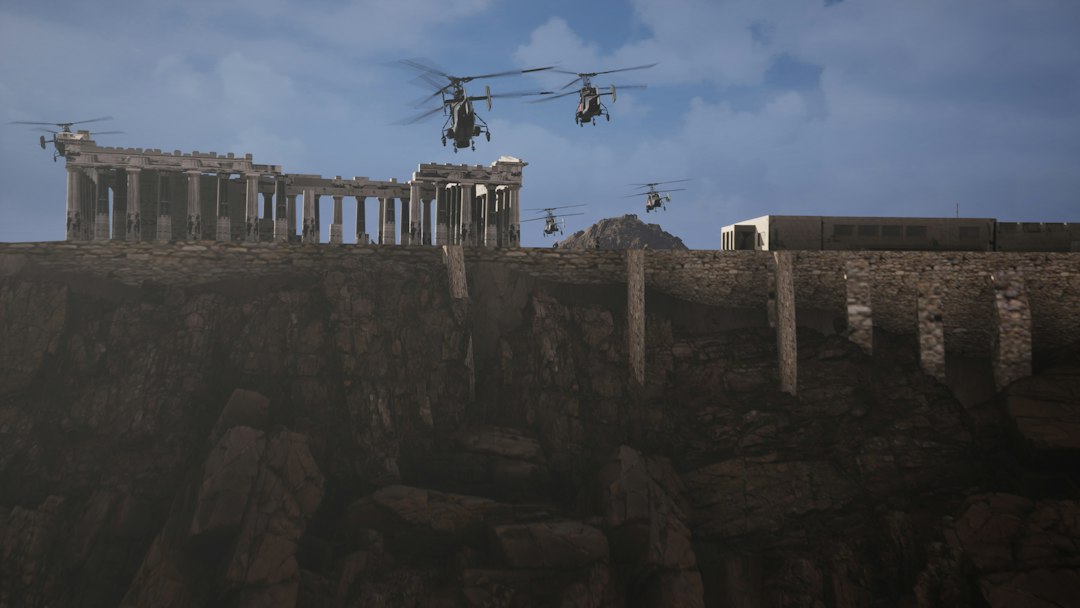


On a random Thursday night, your feed may have looked exactly as it does most nights: a queue of clips, game cards, and one-off store alerts. Then one card lands in the Steam announcements line and changes the tone of your scrolling. Steam now lists SILENT HILL: Townfall with a release date, September 24, 2026, and the post also points to the store page with an active pre-order path. For many players, that does one useful thing: it replaces rumor-level chatter with a clear date that can be planned around.
It does not make every question disappear. It does make a lot of the noise easier to sort. Before, the game sat in a long lane of "maybe soon" posts and argument threads. Now there is an official timeline and an official storefront state, and that is enough to move from speculation to practical preparation. That shift may feel small, but for launch-week planning it is exactly where the useful part starts.
The announcement itself comes from Steam’s community announcements feed, and it states: SILENT HILL: Townfall releases on September 24, 2026. The Steam store page for the title is already visible as a pre-order page, here: Steam store page. If a launch has an official store listing and a published release date, you can separate what is confirmed from what is speculative much more clearly.
What is confirmed and what is still not
When we write about game news, the useful split is between confirmed facts and open questions. For SILENT HILL: Townfall right now, one confirmed point is the date and the pre-order availability. Another confirmed point is that this update is not a rumor-thread repost; it is officially surfaced in Steam’s announcement layer and attached to a real app page.
Steam has moved SILENT HILL: Townfall into a pre-order track with a September 24, 2026 date, and that gives buyers a reliable planning milestone.
Why this now has practical value for players
For many franchises, especially ones with history and identity like SILENT HILL, hype can outrun details. That can be fun. It can also cause real-world mistakes, like buying all DLC bundles at launch without understanding what is included, waiting until the day before launch to set aside time, or missing any regional discount events that usually land early.
September releases are close enough to matter and far enough away to plan. The gap is where your preparation has to happen. If you are a player who prefers to test settings before release, you can now decide whether to hold on, or whether this launch week should be part of your personal "free weekend" budget. If you are a buyer for a living who tracks store behavior, you can decide when a future price review might be worth watching. A confirmed date does not tell you whether the game is good. It tells you when to run your own readiness checks.
And that is a big difference. Good coverage is not trying to predict what the game will feel like before launch. Good coverage is helping people avoid paying for unknown timing.
How to use pre-order timing without burning your wallet
Anchor your calendar first
September 24, 2026, is not merely a hype date. It is your anchor. Put the date into your calendar once, and do not keep treating it like a floating rumour. If you are in multiple time zones or run a small team stream schedule, convert it locally with a shared tool on your side of the world and pin that conversion. The date matters for patch windows, discount windows, and your own workload more than it does for theorycrafting.
Use two queues, not one
Keep one list for confirmed milestones, and one list for likely but unconfirmed items. Confirmed list = release date and pre-order status. Likely list = trailers, feature breakdowns, performance details, and edition specifics. This keeps your budget decisions from chasing every update in a stream. If a detail is not in the official post and official store state, it belongs in the second list until confirmed.
Three practical checks for the next 45 days
- Every week, open the store page again and note whether the release entry changes any detail beyond the launch date; a change there changes your plan.
- Review your wishlist and wallet readiness early, so the launch day decision is not mixed with last-minute math.
- Track whether key platform news changes around DLC timing or launch bundles; that can alter whether your first purchase should be standard only.
That is less exciting than a feature deep-dive, but it is exactly how people avoid regret in launch-heavy weeks. I am not saying these habits replace excitement. I am saying they make the excitement less expensive to maintain.
What to watch for when the next official note appears
A lot of players treat one official date as the finish line of research. In reality, it is more like a checkpoint. The next useful signals usually come in two forms. First, the storefront itself may clarify edition details and pricing behavior. Second, official support pages or posts may line up system and platform updates with the announced date.
Until those arrive, the best response is simple. Read the two official pages you already have. Keep your own notes short. And do not fill the middle of the waiting period with inflated claims from unofficial threads.
Where this sits in the Kermzilla lane
This piece stays within the New Games scope because the announcement is about a specific game listing and date in Steam’s official path. It is not a controller benchmark article, not a hardware rumor summary, and not a generic post about how to buy on launch week. The goal is narrow: take one real announcement and make it useful for players who plan, and for readers who skim.
There is still a lot we do not know, and that is normal. What we do know is enough to move from confusion to planning. If the release holds, this September date becomes the next checkpoint. If it shifts, you will know quickly because the official source you are already reading will shift first.
In short, Steam has done the easy part by posting a date. The useful part now belongs to the players: decide what matters to your schedule, stay within confirmed information, and wait for the next update with a plan already in place.