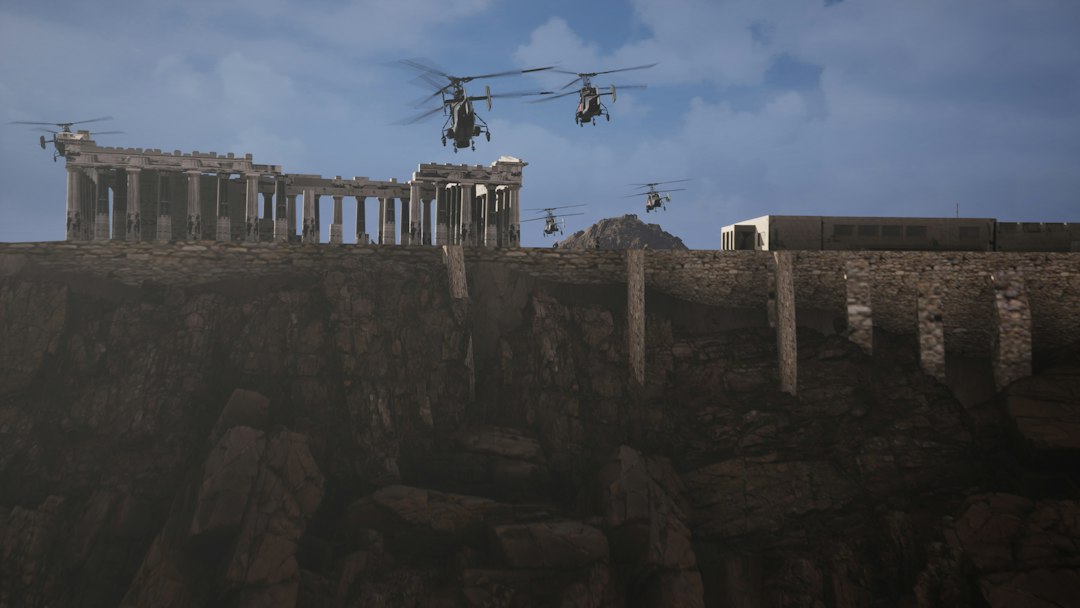


At 6:50 p.m. on a quiet Tuesday, a player opens Steam and the same old habit starts up: scrolling new and upcoming pages, then telling herself to wait for another Friday evening before she spends. Trine 6: Together in Time does not need a reminder to be treated as a rumor anymore. Steam now shows a fixed release date of Sep 17, 2026, and that single fact changes how you should think about your pre-launch plan.
Why this date matters more than the trailer loop
The internet always has a fresh clip, a fan edit, and one more claim about what will happen on day one. Most of those signals move fast and break slowly. A published date, by contrast, is the anchor people can plan around. Your decision now is not about whether the game is exciting. It is about whether your week, your hardware setup, and your buying choices are ready enough to support a smooth launch for you and your friends.
Steam is listing Trine 6 as a co-op title for up to four players, and that is a meaningful difference from a lot of single-player launch chatter. Co-op launches are less about your wallet and more about your calendar. You can spend a lot of money on hardware and still end up with a split session if your group has not sorted who plays what. You can also save money by waiting one or two days if you are not sure about timing, if your group has work commitments, or if a review window will settle the hype noise.
Use the listing as a project brief, not a wish list
If you want the launch to stay enjoyable, start from the official listing and extract just the practical pieces. One clean pass can replace a lot of confusion:
- Fix the date in your calendar as a planning milestone, not a countdown panic.
- Read the current description and any demo details again right before the week starts.
- Check region and platform details directly on the Steam page so nobody in the group learns surprises at the last minute.
- Bookmark the page and compare it on launch week if Steam shows late updates.
What to do in the 14 days before launch
If your crew is serious about playing this at release, the two weeks before launch are when most people actually win back the anxiety. Treat that period like a mini mission.
Players who want to buy day one
Buying on day one makes sense if you are clear on your schedule and your play goals. In that case, do not treat the purchase as final entertainment. It is a reservation for a time slot with roommates, siblings, or friends. Confirm timezone overlap. Confirm voice chat setup, because co-op puzzle moments are easier when communication is clean. Confirm controller compatibility if your group mixes keyboard and pad players. If the system setup is messy, your first 20 minutes can turn into technical triage.
Players who wait and watch
If you usually pause at release hype, you already know this strategy is not lazy. Waiting is useful with puzzle platformers because the first few days can include day-one patches, and because you can compare early impressions before committing. The listing date gives you the confidence to wait with purpose. Put a reminder around Sep 17 plus three days later, then review community updates and any patch notes that surface between those dates.
Groups who split roles
Some groups do not all play for the same reasons. Some want every hidden corner and lore beat, others just want a smooth first run. The same game can work for both if you assign roles before launch. One player tracks time and technical settings. One player monitors patch and update chatter. One player sets goals for the first night, like just clearing the opening section and touching the first major puzzle room. This avoids the common "we will do everything as we go" frustration before you even learn the game systems.
The co-op angle that changes the usual launch checklist
Trine is known for movement timing, team combos, and puzzle logic, and every one of those systems becomes harder when people join with different hardware, different play habits, and different internet stability. A launch checklist should reflect that instead of pretending everyone performs like a solo QA pass.
In games with co-op first, your setup is part of the game design.
A good way to prepare is to run a short check before launch weekend:
- Who owns the callouts in tight moments?
- Who tracks drops and who tracks platform movement?
- Do you have a short restart plan when one player disconnects?
- Are you all willing to pause and solve, not to race?
What people usually skip and then regret
Most launches go from excitement to regret for the same reason: people skip boring tasks. Not the hard ones, the boring ones. They forget the setup stage and jump straight into play. Then one player gets stuck on technical issues, and the launch mood crashes.
Here is what to avoid:
- Ignoring Steam updates posted in the final days and assuming nothing changed.
- Assuming friends with different play styles can improvise roles on launch night.
- Buying extra copies before confirming which edition is actually what you need.
- Forgetting to check announcements when the release window is close.
For those missed checks alone, Trine 6 can feel less fun even before a difficult puzzle starts.
Steam announcements are an easy spot to catch small wording changes from developers and retailers. Keep it to an easy check. Act only if it changes your schedule or your buying move. A useful link for that purpose is the Steam community announcements feed.
Choosing your buying decision without overthinking the hype loop
Launch money is often tied to emotion. A fixed date helps, because it gives your wallet a guardrail. Ask three questions before you buy:
- Do you have a confirmed play window with at least three people?
- Are your systems updated and stable for the exact night you want to start?
- Will you still enjoy the game if launch reviews are mixed for the first 24 hours?
If you can answer those with confidence, day one can be fun. If not, the game is still yours in two days, two weeks, or two patches, and that is not failure. That is player management.
The clean way to stay flexible
This is what the launch week can look like if you are practical:
- Day minus 14 to day minus 7: verify your core plans, confirm everyone is in the loop, and set a fallback plan.
- Day minus 6 to day minus 1: avoid major system changes on launch machines unless needed.
- Launch weekend: begin with a low-pressure objective, like a short opening chapter before pushing farther.
- Post-launch day 2 or 3: check updates, compare impressions, then decide if full commitment is worth the time.
That four-step rhythm makes co-op launch planning less guesswork and more steady play. You are not pretending the game is easy. You are making sure everyone in your group has a way to enjoy it without burnout.
How this slot becomes useful for you
When a major release date lands on the calendar, the strongest move is not excitement alone. It is converting the noise into one clear decision path. For Trine 6: Together in Time, that means using the official date as a real anchor, coordinating your crew around co-op reality, and treating launch as a plan with checkpoints. Keep the date, watch the official updates, and keep your plan simple.
There is no script here. You can still have a great night, but only if the boring prep is handled before the first cutscene. If Sep 17 comes around and your team is ready, you will play. If not, you have time to step back and start with intention. In that sense, Trine 6 is less about a fixed countdown and more about a fixed standard: clear setup, clear communication, and clear timing.