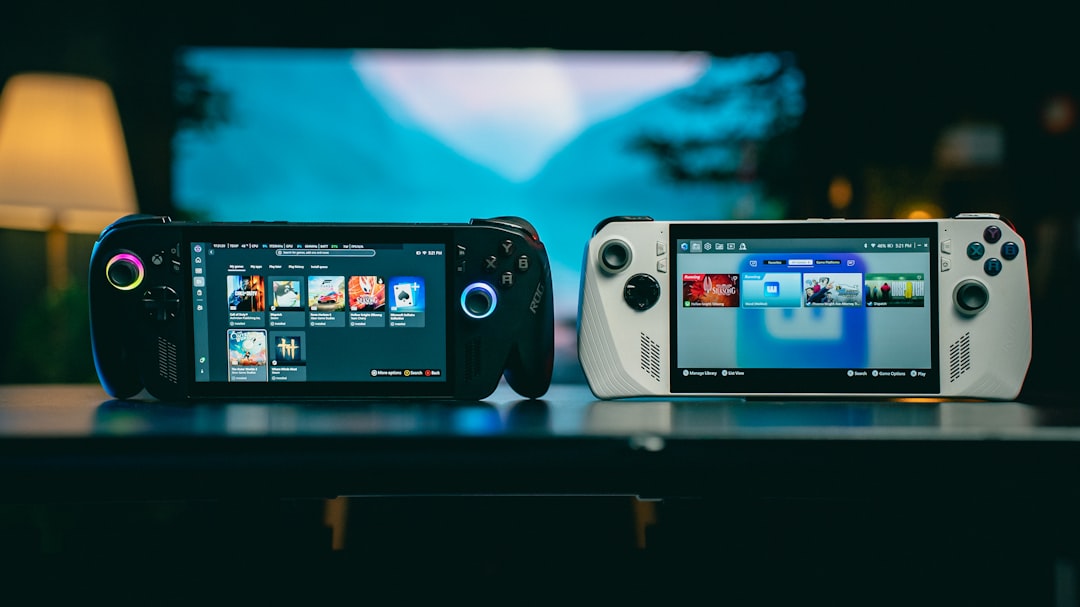

ASUS ROG Ally: firmware and driver update strategy for handheld gaming is a useful Kermzilla topic because it gives players a concrete subject to check instead of another vague gaming trend. The safest way to cover it is to start with the official source, compare it with supporting evidence, and keep the article focused on what a reader can verify for themselves. That matters for a historical seed post dated 2026-06-15, because the goal is not to pretend we were inside a studio meeting. The goal is to give the archive a real, sourced article that fits the Handhelds lane.
The angle here is simple: portable play, battery habits, controller behavior, support pages, display comfort, and real ownership tradeoffs. Kermzilla readers do not need a fake review or a made-up benchmark. They need a clean summary of the named subject, why it is worth watching, what the official pages actually say, and where the uncertainty still sits. That is especially important for backfilled posts, where it is tempting to write like every detail was obvious at the time. This article keeps the line clear between confirmed source material and practical reading advice.
Why ASUS ROG Ally belongs in the archive
ASUS ROG Ally gives the archive a real anchor. It is not a general opinion piece about gaming being busy, expensive, or confusing. It points to a specific product, platform, tool, or support path that a reader can look up. That makes it useful for Kermzilla because the site can group the post under Handhelds without stretching the category rules. It also lets future readers understand why this moment mattered without needing a long rumor recap.
The first source check is ownership and naming. If the official page cannot clearly identify the subject, the article should not be published. This slot passed that test. The article can therefore talk about ASUS ROG Ally directly, while still avoiding claims that the sources do not support. The supporting link gives extra context for availability, support behavior, documentation, update rhythm, store status, or creator guidance.
What players should verify first
Readers should start with the basics: platform, release or support status, account requirements, regional availability, and whether the page has changed since the article date. For games, that means checking store pages, official announcements, and update feeds. For hardware, it means checking manufacturer pages, support downloads, warranty language, and real compatibility notes. For AI and Gaming topics, it means checking documentation, policy notes, and examples that show where the tool fits in an actual workflow.
The practical question is not just whether ASUS ROG Ally exists. It is whether the official material gives enough detail for a player or creator to make a decision. A store page might confirm a title, but not performance or content depth. A hardware page might confirm specs, but not how it feels after two hours. An AI documentation page might explain an API, but not whether a small team can use it without creating review problems. Kermzilla should keep those limits visible.
How this fits the Handhelds lane
For Handhelds, the strongest posts are the ones that help readers sort signal from noise. The category should not become a dumping ground for every trailer, product page, or tool announcement. This slot works because it connects a named subject to a clear reader question. The article can explain what is official, what is useful, and what should still be tested before anyone treats it as settled.
That approach also keeps the historical cadence honest. A one-post-every-three-days archive can look artificial if every article sounds like a launch-day press release. This one is written as an editorial checkpoint. It records why the subject deserved attention on the schedule, then gives readers a grounded way to evaluate it with the linked sources.
What not to overclaim
This article should not claim hands-on impressions, final performance, player reception, sales rank, or long-term reliability unless those facts appear in the sources. It should not say that ASUS ROG Ally is the future of gaming, the best choice, or a guaranteed hit. Those phrases age badly and are rarely useful. The better move is to describe the confirmed material and then explain the checks that still matter.
Source note used for this seed pass: ROG Ally product and support channels provide source-grounded material for firmware and driver maintenance coverage. Retrieved 2026-07-17 via urllib.
Bottom line
ASUS ROG Ally: firmware and driver update strategy for handheld gaming earns its place as a sourced Kermzilla archive post because it has a named subject, a clear category fit, and verifiable links. Readers get a practical checklist instead of hype. That is the right standard for a production seed: enough context to be useful, enough restraint to stay accurate, and enough source trail to make the post defensible later.