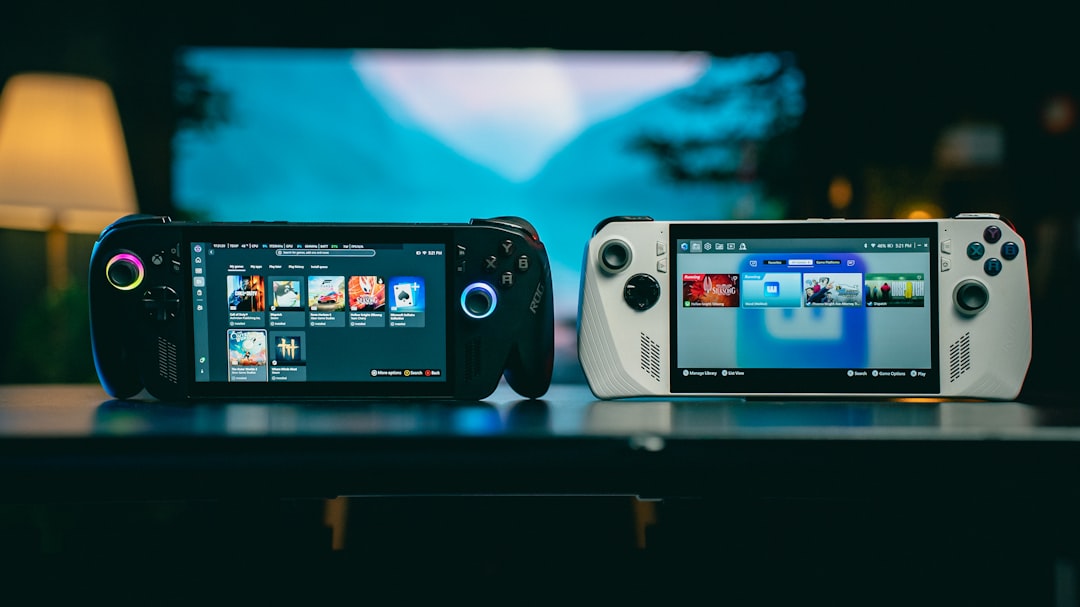


If you are shopping for a handheld now, you probably know that feeling. Your checklist is open, you have a cart open, and someone in your group chat already sent the screenshot with a different price tag on top. The Steam Deck OLED 512GB now reads 789 USD. The 1TB model now reads 949 USD. If you are in the planning window, this update can feel like a nudge from the universe.
Try a steady frame for one minute. The hardware move in the feed was framed as a price adjustment, not as a full launch cycle refresh. The device name, form factor, and Steam ecosystem anchor are the same family the community was already discussing. What changed is the entry point for that same package. That distinction is important because this is a buyer decision, not a brand-new feature race.
How to make sense of the numbers
First, ignore the emotional part and do simple math. If your use is mostly library travel and commuting, you want storage and battery predictability more than headline graphics. If your use is mostly couch sessions with a dock and a monitor, you may care more about output stability and quick transitions than extra local space. The prices moved, but your buying question becomes whether the new number still lines up with your own usage pattern.
For many people, this is the same trap every price season creates. They try to optimize by guessing what the market does next instead of clarifying what they do each day. That often causes regret. One solid question helps: which part of your routine saves money after the purchase? If the answer is fewer failed launches, easier battery handling, and less constant reinstalling, then the price becomes a manageable variable.
What the update means for different buyer types
Some buyers are ready to move now. They have done the basic storage math, they already commit to a regular portable routine, and they know exactly why a 512GB or 1TB deck fits their world. If that is your profile, the update is a straightforward cost check. You can still move forward, just with cleaner expectations.
Some buyers should pause. If you are waiting for a first major use case, this is often the sign to wait for a short re-check window. Not because prices always keep falling, but because your needs change fastest in the first few weeks. In that case, a short plan is enough: verify whether you need 512GB for travel and whether your home setup is already a dock-friendly workflow.
Some buyers should change model size. A lot of people assume bigger storage is always safer. Sometimes 1TB is wise. Sometimes it is simply unnecessary overhead that hurts flexibility. If you have a short commute routine and steady cloud play, 512GB can still be the cleaner choice. If you have a long offline stack and patch-heavy titles, 1TB may save repeated management cycles. The question is not "which is bigger," but "which keeps you from spending more time fixing setup than playing."
Price updates do not replace judgment. They sharpen it. The best move is usually to align the card price with the way you actually use the device, not with a week of forum excitement.
Why these prices usually move this way
Supply changes are not mysterious. Components, shipping lead times, memory and screen costs, and regional logistics all move through margins. Handheld hardware often sits between gaming hardware timing and consumer electronics pricing cycles. So the move itself is not a scandal. The useful part is that you now get concrete information for timing decisions.
In 2026, this matters because many players buy by emotion but keep only a short memory of what they can comfortably sustain. A price adjustment may make one model feel hard to justify now and more understandable a month later. That is normal. You do not need to guess the next number. You need to map your own use window and lock in a decision that matches it.
Decision checkpoints before checkout
Use these checkpoints in this order. This list is built for actual humans, not review sites:
- Which model size do you actually fill in one month of play, based on your library habits?
- Can your dock setup support long sessions without daily cable friction?
- Do you play mostly on trains, planes, or at your desk?
- What is your comfort threshold for weight, heat, and battery dip during commute hours?
If you can answer these with confidence, you are already past half the uncertainty. If you cannot, your safest move is to wait until the routine is clearer. That may sound slower, but it is often cheaper than a second device decision two months in a row.
Where the old habit mistakes happen
There are two repeating errors we see in hardware timing stories.
First, people confuse premium pricing with a premium need. That can happen quickly when they imagine every new announcement as a requirement. You do not need to buy into each revision window.
Second, people confuse storage anxiety with storage reality. A lot of players keep old titles, test builds, and old media in local libraries they never revisit. They think bigger storage is automatic peace, but unused files are a tax on budget. Before paying top-end, trim your local stack to your actual play list and recalculate.
What to trust, what to ignore
Use official channels for anchor facts. The Steam announcement path and support guidance are the baseline here. A lot of chatter can be useful for setup tips, but it does not replace official notices for pricing decisions. If a quote does not point to an official notice, it should not be treated as a hard fact in your final plan.
That does not mean community wisdom is useless. It means it stays in its lane. Use it after the lane is marked. Official pricing sets the decision boundary. Community experience then helps you refine where to buy, what to install first, and which travel habits to protect.
A useful scenario to test your timing
Say you have a routine that repeats each week with three airport and train sessions, and you stream some titles from your home PC. Your local storage demand is often lower than you think. A 512GB setup might be enough if you prune a few launchers. In that case, the 789 USD lane could still be the best fit. If your routine is two to three heavy local evenings a week with large updates, a 1TB model may still justify the 949 USD move.
In both examples, the right answer is not fear of a number. It is an explicit, repeatable habit map. Buyers who do this rarely regret timing. Buyers who do not often cycle into a second purchase and then wish they had delayed.
What already owned owners should do
If you already own a Steam Deck and the price update lands while you have not purchased anything else recently, pause before reacting. This is an opportunity to evaluate what you already have: accessory setup, charging pattern, thermal patience, and cloud behavior. A lot of users improve their actual experience with one small cleanup before spending again, and that is usually more useful than switching models based on price worry.
Closing this without hype
So the answer to this week is not a hard yes or no. It is a plain yes-or-no per profile. For some, now is exactly the right point to buy. For some, now is the wrong point and the pause is smart. For others, the model size should change with their lifestyle, not with a feed post alone.
Use this update as a checkpoint. Verify your habits, choose your storage lane, then place the order with that plan in hand.
Official update context and support references are here at Steam announcements feed and Steam Deck support guidance.